Physical Therapy DRY NEEDLING: An Effective Tool for Pain Relief and Restored Motion
Updated: Oct 14, 2025
by Lisa McKinney, PT
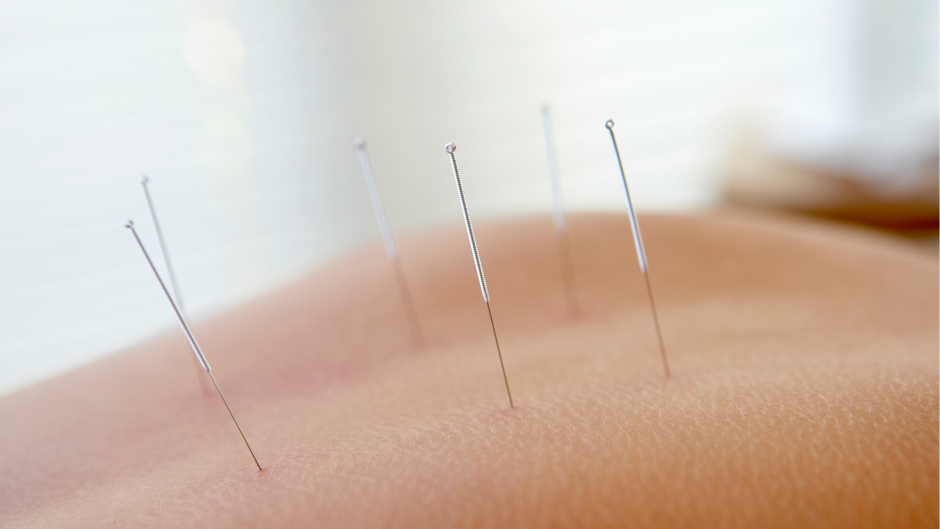
We Love Dry Needling Treatments!
Dry needling is an excellent way to jumpstart many aspects of physical therapy. It can quickly reduce pain and swelling while kick-starting the body's natural healing process. Below, we’ve compiled answers to common questions to help you better understand this treatment modality and determine if it’s a good option for you.
What is Physical Therapy Dry Needling?
Dry needling is a minimally invasive technique performed by trained physical therapists and other medical professionals to treat pain and movement impairments. A very thin, solid needle is inserted into soft tissues that are thought to be generating the client’s symptoms. This method allows therapists to target tissues more effectively than some traditional techniques.
How Does Dry Needling Work?
Dry needling works both locally and systemically, targeting muscles, nerves, fascia, and other soft tissues. The tiny micro-lesions are thought to:
As the needle penetrates the muscle, it interrupts the muscle spasm cycle, reducing pain and normalizing muscle tone.
Trigger a mild, healthy inflammatory response and improving circulation, which activates the body’s natural healing process.
It acts on both the peripheral and central nervous systems to inhibit pain signals to the brain, and release endorphins (the body’s natural painkillers).
This combination of local and systemic effects enhances the body’s ability to heal, reduces pain, improves motion, normalizes body mechanics, and restores posture. Dry needling also increases tolerance for other therapy interventions.
What Conditions Can Be Treated with Dry Needling?
Dry needling can address a GREAT variety of conditions, including:
Acute and chronic pain
Lower back pain and sciatica
Headaches and whiplash
Facial Pain and TMJ disorders
Hip/knee pain and tendonitis
Disk problems and neck/back pain
Shoulder pain, tennis/golfer’s elbow
Fibromyalgia
Bruising and swelling
Is Dry Needling the Same as Acupuncture?
No, dry needling is not acupuncture. The physical therapists at Backway’s Physical Therapy are NOT licensed acupuncturists. While both use monofilament needles, they differ in purpose, training, philosophy and methodology:
Dry Needling: Based on Western medicine, it targets local neuromuscular conditions and pain. Physical therapists evaluate pain patterns, movement, posture, and other functional assessments. Needle insertion is determined by muscle tone, edema, and neuro-anatomy. to determine insertion points.
Acupuncture: Rooted in traditional Chinese medicine, it seeks to balance energy ("qi") through meridians. Acupuncturists focus on whole-body wellness, with needle placement guided by Chinese philosophy. The focus tends to be be more on whole body balancing. It is a wonderful modality, but it is not dry needling.
At Backway’s Physical Therapy, our physical therapists are not licensed acupuncturists and do not practice acupuncture.
How Many Treatments Will I Need?
The number of treatments depends on factors such as your diagnosis, condition duration, and your natural self-healing ability. Most patients notice positive effects after 2–3 sessions, with 4–8 treatments typically recommended for optimal results. It is frequently utilized more in the beginning sessions in order to “jump start” the healing process, break the pain cycle and increase tolerance to other interventions.
Many people choose to continue receiving dry needle treatments periodically to keep their body’s “tuned up.”
How Is Dry Needling Used in a Comprehensive Therapy Plan?
Dry needling is usually part of a holistic treatment plan that includes manual therapy techniques and prescriptive exercises. We address conditions like muscle imbalances, postural dysfunctions, strength deficits, and joint stiffness, which often require more than dry needling alone.
However, we do have many clients that come in periodically for a dry needle “tune up” every few weeks once their physical therapy has been completed.
Special Considerations
Certain conditions require careful consideration, including:
Pregnancy
Low blood pressure
Extreme frailty
Recent surgery (within six weeks)
Malignant tumors
Blood thinner use
Use of immune-supressants, cancer
Diabetes
Cardiac pacemaker
Fear of needles
Please contact us if you have any questions about this.
Using Dry Needling for Athletic Performance
Dry needling is a wonderful modality for enhancing athletic performance and recovery. This is especially true of our endurance athletes, such as runners and mountain bikers. Here’s how it works:
Pre-performance: Performed 2–3 days before an event to normalize muscle tone and posture for optimal function.
Post-performance: Performed within 0–3 days after an event to reduce swelling, normalize stressed muscles, and accelerate healing.
Is Dry Needling Covered by Insurance?
Unfortunately, most insurance plans do not cover dry needling. Please inquire about current pricing.
Are the Needles Sterile?
Yes, we only use sterile, disposable needles.
Is the Procedure Painful?
The needles are thin, solid, and flexible, and usually cause minimal discomfort. Most patients feel little to no pain during insertion, though some experience an ache, cramping, or twitch in pathological tissues. This response is desirable and therapeutic, but is not the determining factor of a successful outcome. We make every effort to make your experience comfortable and therapeutic.
How Will I Feel After Treatment?
Patients often experience immediate symptom relief and improved range of motion. Soreness in the treated area or referred symptoms is common typically lasts a few hours, but may last 1–2 days. Temporary symptom increases may occur but signify the body’s healing process. If symptoms persist beyond 2 days, inform your therapist.
Mild bruising may also occur. Frequently, people feel very relaxed after their treatments.
Final Thoughts
Dry needling is a powerful tool in physical therapy that complements other interventions to optimize your recovery and performance. If you’re curious about whether it’s right for you, don’t hesitate to reach out to us!

Want to Learn about Men's Pelvic Floor PT:
Gentlemen, Men's Pelvic Floor Physical Therapy May Be For You!
Why Men’s Pelvic Floor PT Isn’t Weird (The Less-Censored Version)
Bike Seat Problems? What Every Male Rider Should Know About Issues In the Saddle
8 Habits for a Great Pelvic Floor Health (and Better Bladder & Bedroom Confidence)
Pelvic Floor Training Can Protect Urinary & Sexual Function in Men Undergoing Prostate Surgery
Bladder Irritants and Urinary Incontinence: What You Need to Know
Drinking Less and Peeing “Just in Case” Can Make Urinary Incontinence Worse
The Male Pelvic Floor: Everything You Should Know (And Why It Matters)